The best watercolour tattoo artists in Sydney plan for fading from the first consult, not after the tattoo heals. They choose pigment, placement, line structure, and aftercare protocols that keep a watercolour look readable as it softens over the years.
Because watercolour tattoos rely on gentle gradients and lighter tones, time matters more than with bold traditional work. The artists who do this style well build in “insurance” so the tattoo still looks intentional when the edges blur slightly and the lights fade.
What makes watercolour tattoos fade faster than other styles?
They fade faster mainly because the style often uses lighter pigments, softer edges, and fewer hard outlines. Those choices look airy at first, but they can lose contrast as the skin naturally sheds and ink breaks down.
Sun exposure is the other big factor in Australia. Sydney’s UV levels mean even well-done work can fade early if it is left unprotected, especially on arms, shoulders, and legs.
How do the best watercolour tattoo artists in Sydney design for longevity?
They design with contrast and structure so the tattoo stays readable when the soft colour settles. Many add a fine line framework, darker anchor points, or a small amount of black or deep colour to hold the composition together.
The best watercolour tattoo artists in Sydney also plan the “negative space” carefully. Clean gaps between colour fields help the tattoo age with definition rather than blending into one patch.
Do they use outlines, or is that “not watercolour”?
They often use subtle outlines or hidden linework, even if it is not obvious at a glance. The goal is not a cartoon outline, but a quiet structure that stops the tattoo from becoming indistinct later.
Some will place linework only in key areas like eyes, florals, or a focal edge. Many best watercolour tattoo artists in Sydney treat it like scaffolding: it supports the colour without stealing the style.
How do they choose colours that hold up in Australian sun?
They lean on pigments that age more predictably and keep enough depth to remain visible on that client’s skin tone. Deep blues, purples, and some greens often hold better than very pale yellows or pastel washes that rely on minimal saturation.
They also avoid building the whole piece from “barely there” tones. The best watercolour tattoo artists in Sydney usually include mid-tones and a few darker hits so the tattoo still has range after years of sun and skin turnover.
Does skin tone change the fading plan?
Yes, and they plan it upfront. On deeper or highly melanated skin, very light pastel effects may not show clearly long term, so they may increase saturation, choose stronger hues, or add more contrast.
On very fair skin, they still plan for redness and sun sensitivity, which can affect healing and later clarity. The best watercolour tattoo artists in Sydney typically match pigment choices to undertone and how that person’s skin responds to sunlight.
How much does placement affect fading over time?
Placement is one of the biggest predictors of fading. High-friction areas like fingers, inner wrists, ankles, and places rubbed by waistbands or bras often lose crispness sooner.
Areas with steadier skin and less sun, like upper arm, shoulder blade, outer thigh, or upper back, generally age better. The best watercolour tattoo artists in Sydney will often guide clients toward placements that protect the soft gradients.
Do they change needle groupings or technique to reduce fading?
They do, because watercolour effects are created by controlled saturation and layering, not by “scratching in” colour. Artists may use softer magnums for smooth blends, adjust voltage and hand speed, and build colour in passes that minimise trauma.
Less trauma usually means better healing, which supports longevity. The best watercolour tattoo artists in Sydney focus on even saturation so there are fewer patchy zones that drop out quickly.
How do they stop the tattoo from looking patchy after healing?
They prioritise consistent saturation and they avoid overworking areas that are already accepting pigment. Overworking can cause excessive scabbing, which can pull ink out and create uneven fade.
They also plan gradients so a fade looks intentional, not accidental. Many best watercolour tattoo artists in Sydney design transitions that still look “right” even if they lighten slightly.
What aftercare steps do they recommend to protect colour?
They recommend straightforward, conservative aftercare: keep it clean, avoid soaking, avoid sweat-heavy training for the first phase, and never pick at flakes. Moisturising lightly once it is appropriate helps support the skin barrier while it rebuilds.
They also remind clients that aftercare does not end at two weeks. The best watercolour tattoo artists in Sydney will usually stress that long-term moisturising and sun protection are what preserve the watercolour look.
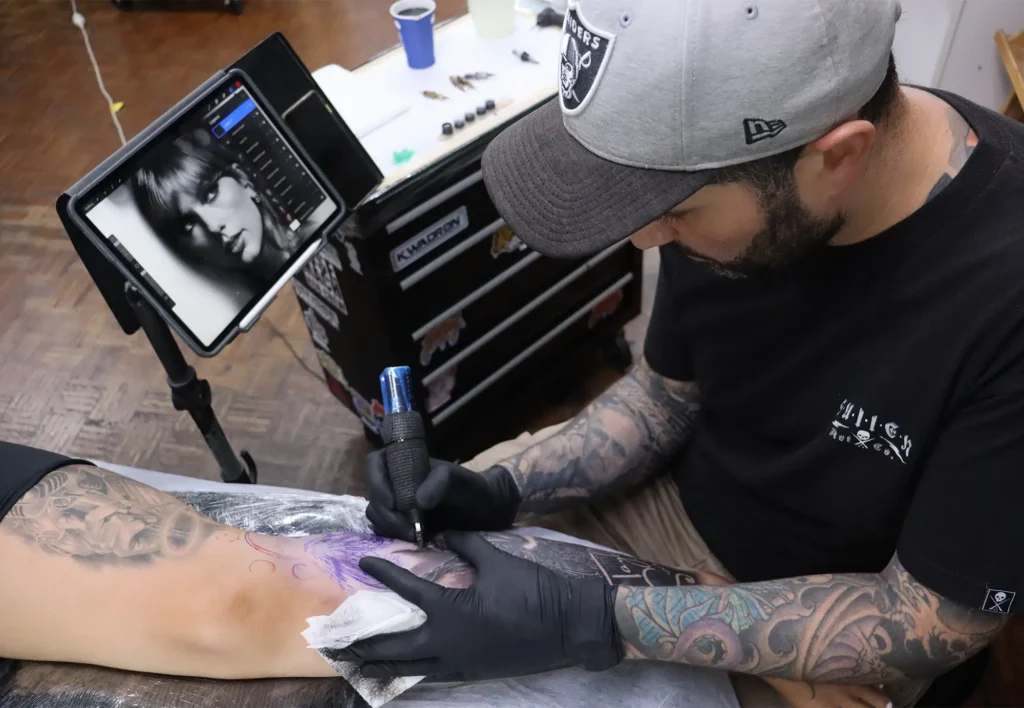
How important is sunscreen in Sydney for preventing fade?
It is essential. In Sydney, regular SPF use can be the difference between a tattoo that stays vibrant for years and one that looks washed out quickly.
They usually recommend high-SPF broad-spectrum sunscreen once the tattoo is fully healed, plus covering up during peak UV. The best watercolour tattoo artists in Sydney often treat sunscreen as part of the tattoo’s “maintenance plan,” not an optional extra.
Do they plan touch-ups from the start?
Many do, especially for larger pieces or very light palettes. They may explain that a touch-up is normal for watercolour, not a sign of poor work, because the style depends on delicate tones.
The best watercolour tattoo artists in Sydney often schedule a check-in window. That gives them a chance to reinforce key areas, deepen a focal point, or even out a gradient once the skin has settled.
How do they handle client expectations about how it will look in 5 to 10 years?
They explain aging honestly: edges soften, the lightest tones fade first, and the tattoo becomes a “mature” version of itself. A well-designed piece should still read clearly from normal viewing distance.
They also show healed and aged examples where possible. The best watercolour tattoo artists in Sydney rely on education so clients choose designs that still suit them when the tattoo is less fresh.
Can they combine watercolour with other styles to improve longevity?
Yes, and it is common. They may blend watercolour with fine line, illustrative blackwork, or dotwork shading to create a piece that keeps its form as the colour softens.
This hybrid approach is one reason the best watercolour tattoo artists in Sydney get such consistent long-term results. The tattoo can keep the “paint” feeling while still having an underlying structure.
See Also : How art can boost your mental health and wellbeing
What role does line weight play in preventing a blurry look?
Line weight is a control lever. Very thin lines can fade and break, while very heavy lines can overpower the watercolour effect, so experienced artists choose a middle ground or use varied weights.
They might use slightly heavier lines at focal points and keep secondary areas lighter. The best watercolour tattoo artists in Sydney treat line weight like composition, not just technique.
How do they approach florals, animals, and portraits differently for fading?
They design each subject around what must stay readable. Florals often need defined centres and petal edges, animals need key facial features and contrast zones, and portraits require careful restraint because soft blends can lose likeness.
They may simplify details that will not age well. The best watercolour tattoo artists in Sydney usually aim for a strong silhouette and a clear focal point so the subject remains recognisable.
Do they avoid certain trends because they fade too quickly?
They often steer clients away from extremely pale, outline-free designs with lots of empty pastel wash. Those can look gorgeous at first but may not hold definition without some anchors.
They may also caution against tiny watercolour pieces with micro details. The best watercolour tattoo artists in Sydney typically recommend sizing up slightly so gradients and contrast have room to breathe over time.
How do they assess whether a watercolour tattoo is still “good” after it fades?
They judge it by readability, balance, and whether the fade looks intentional rather than random. If the focal points remain clear and the composition still works, the tattoo is aging well.
They also look at whether colour loss is even. The best watercolour tattoo artists in Sydney aim for designs that fade gracefully, where a softer palette still looks like a deliberate painting.
What should clients ask in a consult about fading and maintenance?
They should ask to see healed examples, not just fresh photos. They should also ask how the artist builds structure, what colours they recommend for that skin tone, and what touch-up policy looks like.
Clients can also ask where the tattoo should sit for best longevity. The best watercolour tattoo artists in Sydney tend to welcome these questions because their process is built around long-term outcomes.
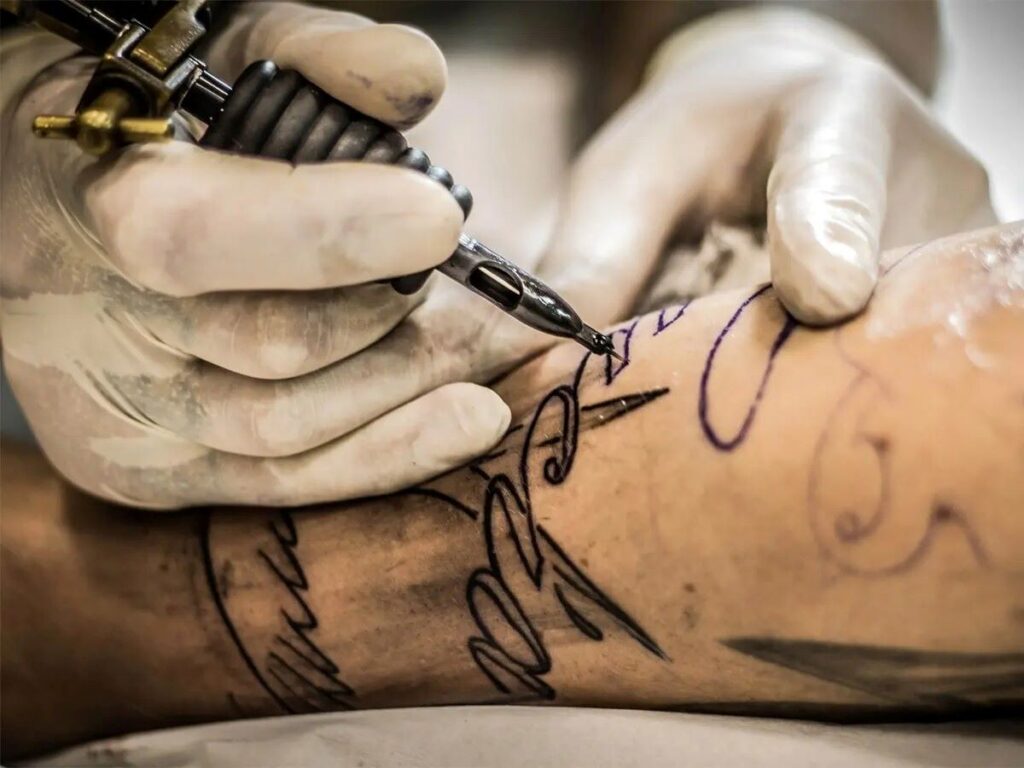
What is the realistic takeaway on fading for this style?
Fading is normal, but it does not have to ruin the tattoo. With smart design, appropriate placement, skilled technique, and consistent sun protection, watercolour tattoos can stay attractive and readable for years.
That is exactly what the best watercolour tattoo artists in Sydney optimise for: a piece that still looks like art long after the initial brightness settles. If clients treat aftercare and SPF as ongoing, the style can age far better than its reputation suggests.
More to Read : Aftercare Advice From the Best Watercolour Tattoo Artists in Sydney
FAQs (Frequently Asked Questions)
Why do watercolour tattoos fade faster than other tattoo styles in Sydney?
Watercolour tattoos fade faster mainly because they use lighter pigments, softer edges, and fewer hard outlines, which create an airy look but lose contrast as skin naturally sheds and ink breaks down. Additionally, Sydney’s high UV levels accelerate fading, especially on exposed areas like arms, shoulders, and legs if left unprotected.
How do the best watercolour tattoo artists in Sydney design tattoos for long-lasting vibrancy?
They incorporate contrast and structure by adding fine line frameworks, darker anchor points, or small amounts of black or deep color to maintain composition. They also carefully plan negative space with clean gaps between color fields to help the tattoo age with definition rather than blending into one patch.
Do watercolour tattoos in Sydney use outlines despite the style’s delicate appearance?
Yes, many artists use subtle or hidden outlines as quiet structural scaffolding rather than bold cartoon outlines. These lines are placed strategically in key areas like eyes or florals to prevent the tattoo from becoming indistinct over time while preserving the watercolour aesthetic.
How do watercolour tattoo artists in Sydney select colors that withstand Australian sun exposure?
They choose pigments that age predictably and maintain depth on individual skin tones, favoring deep blues, purples, and some greens over very pale yellows or pastel washes. They also include mid-tones and darker hits to ensure the tattoo retains range after years of sun exposure and skin turnover.
How does skin tone influence the fading plan for watercolour tattoos in Sydney?
Artists tailor pigment choices upfront based on skin tone; for deeper or highly melanated skin, they increase saturation and contrast since very light pastels may not show clearly long-term. For fair skin, they consider redness and sun sensitivity affecting healing and clarity, matching pigments to undertones and sunlight response.
What aftercare practices do the best watercolour tattoo artists in Sydney recommend to preserve color vibrancy?
They advise straightforward aftercare including keeping the tattoo clean, avoiding soaking and sweat-heavy activities during initial healing, not picking at flakes, and moisturizing lightly when appropriate to support skin barrier repair. Long-term moisturising combined with consistent high-SPF broad-spectrum sunscreen use is emphasized as essential for maintaining the watercolour look.