Subway tiles have evolved far beyond the simple white, glossy rectangles everyone remembers from old subway stations. In 2025, these tiles are now available in bold colours, creative textures, unexpected sizes, and eye-catching layout patterns that can transform any kitchen or bathroom into a modern design statement. Whether you’re renovating your home or updating a single room, subway tile layouts offer flexibility, affordability, and timeless visual appeal.
In this guide, we explore trending subway tile layouts, bold grout ideas, top tile patterns, and the latest colour trends shaping modern Australian homes in 2025. From classic horizontal running bond to artistic herringbone and stacked verticals, you’ll discover how to use subway tiles in ways that feel stylish, contemporary, and uniquely you.
See more: A Complete Guide to Installing Herringbone Tiles Like a Pro
Why Subway Tile Layouts Still Dominate Modern Homes
Subway tiles remain a top choice among designers for three key reasons:
1. They’re Timeless Yet Adaptable
Their simple silhouette makes subway tiles incredibly versatile. You can use them in traditional, coastal, modern, Scandinavian, or industrial homes without clashing styles.
2. They’re Budget-Friendly
Compared to many designer tiles, subway tiles are cost-effective while still delivering a designer-level finish.
3. They Work in Every Space
From kitchens and bathrooms to laundry rooms and outdoor kitchens, subway tiles fit everywhere.
Top Subway Tile Layout Ideas for Modern Homes
Below are the most popular and trending layout options designers are recommending in 2025.
1. Classic Horizontal Running Bond (Offset Pattern)
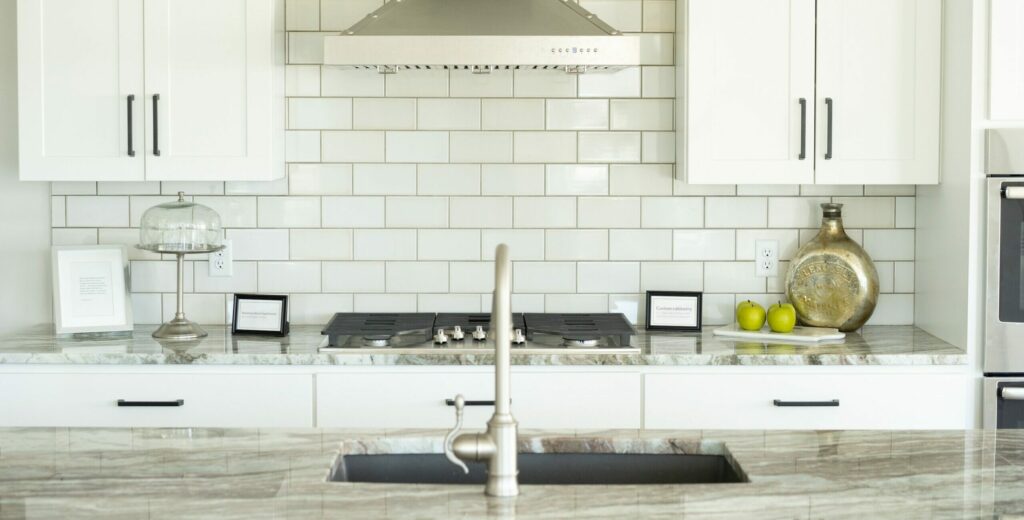
Still the most recognisable subway tile layout, the offset pattern remains popular for its subtle movement, clean lines, and easy installation. Designers love it for:
- Kitchens with white or neutral cabinetry
- Bathrooms needing a calm, minimal aesthetic
- Homeowners who want modern styling without being too bold
Best grout ideas:
- Light grey for soft contrast
- Charcoal for depth
- Pure white for a seamless look
2. Vertical Stacked Pattern
Vertical stacking creates height and elongation, making it ideal for:
- Small bathroom walls
- Narrow kitchen splashbacks
- Powder rooms that need vertical lift
This layout feels modern, structured, and clean — a top choice in 2025 for minimalist homes.
Pair with:
- Matte tiles for a soft Scandinavian style
- Gloss tiles for a sleek contemporary finish
3. Horizontal Stacked Pattern
This structured layout offers a clean, geometric appeal. Perfect for modern, luxurious kitchens with streamlined cabinetry.
Works well with:
- Textured tiles
- Metallic tiles
- Pastel tiles for a fun, youthful aesthetic
4. Herringbone Pattern
One of the most sophisticated subway tile patterns, herringbone adds movement, elegance, and architectural beauty.
Use in:
- Feature walls
- Behind bathroom vanities
- Large kitchen splashbacks
Designer tip:
Use contrasting grout to highlight the angles and create a stunning visual impact.
5. Double Herringbone Pattern
A bold step up from the traditional herringbone, the double herringbone pattern uses pairs of tiles to create a more pronounced zig-zag effect.
This pattern suits modern, high-end spaces and makes an excellent accent wall.
6. Chevron Pattern
Chevron offers perfect symmetry with clean, sharp lines. It’s modern, stylish, and ideal for luxury projects.
Best suited for:
- Master bathrooms
- High-end kitchens
- Statement shower walls
7. Basketweave Layout
This pattern creates a woven look, perfect for homeowners wanting something unique yet subtle.
Best paired with:
- Soft white tiles
- Mid-grey grout
- Vintage or heritage-style homes
8. Step Ladder (Vertical Offset)
An updated twist on the classic offset layout, this pattern stacks tiles vertically with each row slightly offset. It’s playful, fresh, and trending fast.
Common uses:
- Beside mirrors
- Narrow kitchen splashbacks
- Accent corners
9. Crosshatch Pattern
Crosshatch layouts combine both vertical and horizontal tiles for a dynamic, modern visual. They pair beautifully with matte tiles and neutral grout.
10. Large-Format Subway Tile Layouts
Oversized subway tiles (100×400mm or 75×300mm) are trending for their sleek, modern effect.
Advantages:
- Fewer grout lines
- Cleaner appearance
- Faster installation
These tiles work well in open-plan kitchens and spa-inspired bathrooms.
Trending Subway Tile Colors for 2025
Subway tiles in 2025 are all about depth, personality, and luxury.
1. Earthy Neutrals
Clay, sand, and taupe tones create a warm, grounded aesthetic — perfect for Australian modern homes.
2. Ocean Blues
Soft blue-green hues inspired by coastal landscapes are trending for bathroom tiles and kitchen splashbacks.
3. Forest Greens
Deep olive and eucalyptus shades add richness and sophistication, especially when paired with brass hardware.
4. Glossy Black
For bold, dramatic interiors, black subway tiles with white grout create maximum contrast.
Bold Grout Ideas for Modern Subway Tile Layouts
Grout is no longer just a filler — it’s now a design element.
Trending grout choices in 2025:
- Charcoal grout for industrial and modern homes
- Warm beige grout for minimalist, earthy spaces
- Bright white grout for a clean, classic finish
- Coloured grout (navy, terracotta, sage) for artistic interiors
Designer tip:
Darker grout = more drama
Lighter grout = softer, cleaner lines
Subway Tile Styling Tips for Kitchens
Best subway tile layouts for kitchen tiles:
- Vertical stacked for modern homes
- Herringbone for luxury splashbacks
- Classic offset for traditional or Hamptons-style kitchens
Colour tips:
- Use glossy tiles behind cooktops for easy cleaning
- Choose warm white grout for natural wood cabinetry
- Try bold, dark grout for industrial-style kitchens
Subway Tile Ideas for Bathrooms
Bathrooms are the perfect canvas for subway tile creativity.
Top bathroom tile patterns:
- Chevron in showers
- Basketweave behind vanities
- Oversized subway tiles for spa-inspired walls
- Vertical stacking to make ceilings look higher
Pro tip:
Use different tile patterns in separate zones (e.g., shower vs vanity) to add dimension without overwhelming the space.
2025 Subway Tile Trends Designers Love
- Matte textured tiles for organic, spa-like bathrooms
- Handmade-look tiles for artisanal warmth
- Ultra-long subway tiles (100×500mm) for upscale modern interiors
- Glossy curved-edge tiles for retro-inspired kitchens
- Metallic grout for high-impact statement walls
FAQs
1. Are subway tile layouts still trending in 2025?
Yes. Subway tile layouts remain a major trend in 2025 because they combine versatility, affordability, and timeless style. With new colours, grout ideas, and patterns entering the market, subway tiles now offer more design flexibility than ever. They can adapt to modern, coastal, minimalist, and luxury interiors easily.
2. What grout colour should I use with subway tiles?
Your grout choice depends on the look you’re aiming for. Use white grout for a clean and seamless appearance, dark grout for bold visual contrast, and warm beige or greige grout for earthy, minimalist interiors. In 2025, coloured grout—such as sage, navy, or terracotta—is becoming increasingly popular for artistic homes.
3. What size subway tiles are best for modern kitchens?
Large-format subway tiles like 75×300mm or 100×400mm are ideal for modern kitchens because they reduce grout lines and create a sleek, streamlined look. However, standard 75×150mm tiles still work beautifully, especially in stacked or herringbone patterns. The best size depends on your cabinetry, benchtops, and overall design theme.
4. Which subway tile patterns work best in bathrooms?
Bathrooms benefit from patterns that add movement or enhance room height. Chevron and herringbone offer elegance, vertical stacking makes low ceilings feel higher, and oversized subway tiles create a spa-like appearance. Mixing patterns in different zones—such as shower walls vs vanity splashbacks—adds depth without overwhelming the room.
5. Are subway tiles easy to clean and maintain?
Yes. Subway tiles are very easy to maintain, especially when paired with a high-quality grout sealer. Glossy tiles wipe clean effortlessly, while matte tiles require slightly more care but still remain low-maintenance. Regular cleaning with mild soap helps prevent staining and keeps your tiles looking new.